
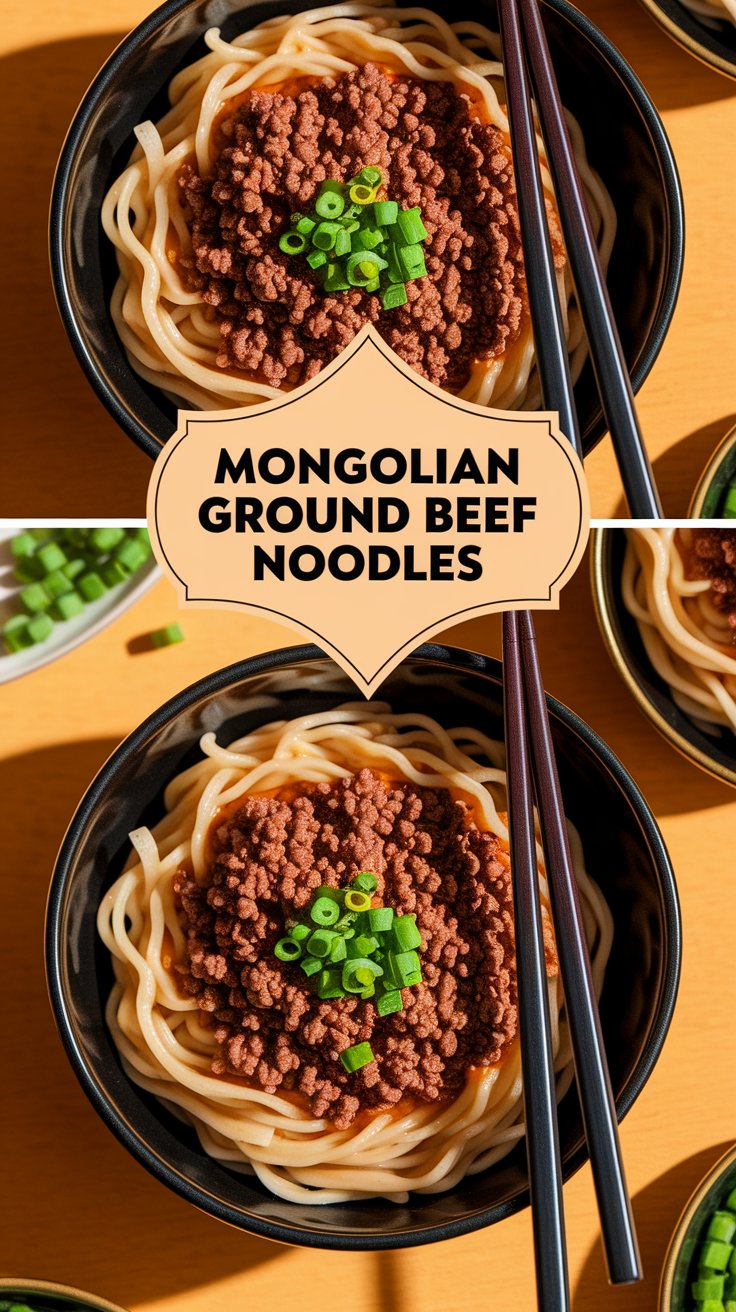
Mongolian Ground Beef Noodles is the kind of recipe that effortlessly transforms simple pantry ingredients into a deeply satisfying comfort meal. With its combination of savory ground beef, tender noodles, aromatic vegetables, and a glossy sweet-savory Mongolian-style sauce, this dish strikes that perfect balance between bold flavor and weeknight convenience.
Whether you’re preparing dinner for your family, meal-prepping for busy days, or looking for something delicious that doesn’t require complicated steps, Mongolian Ground Beef Noodles checks every box. It’s fast, budget-friendly, hearty, customizable, and—most importantly—packed with flavor.
This article takes you through everything you need to know: the history behind Mongolian-style dishes, ingredient breakdowns, expert techniques, substitution options, common mistakes to avoid, storage tips, FAQs, and step-by-step instructions. By the end, you’ll not only know how to cook this recipe—you’ll understand how to perfect it and adapt it to your taste.
Let’s dive into this complete, expert-level guide to mastering Mongolian Ground Beef Noodles.
What Are Mongolian Ground Beef Noodles?
Despite the name, “Mongolian noodles” don’t originate from Mongolia. Instead, the flavor profile comes from American-influenced Asian cooking, where chefs blended Chinese techniques with sweet-savory sauces that became extremely popular in restaurants across the United States.
The dish typically involves:
- A base of soy sauce and brown sugar,
- Aromatics like garlic and ginger,
- A thickened glossy sauce,
- A protein—traditionally beef,
- And a soft noodle that absorbs flavor beautifully.
Ground beef adds convenience, affordability, and tenderness. When paired with noodles, it becomes a wholesome single-skillet meal that feels indulgent while still being easy enough for beginners.
This recipe is a modern fusion dish—comforting, approachable, rich in flavor, and endlessly adaptable.
Why This Recipe Works
Mongolian Ground Beef Noodles is more than just a quick meal. It works because:
1. The Sauce Is Perfectly Balanced
The key flavor profile combines sweetness, saltiness, and umami richness. Brown sugar softens the edges of soy sauce, while hoisin adds complexity and depth. Fresh garlic and ginger elevate the entire dish.
2. Ground Beef Absorbs Flavor
Unlike sliced beef, ground beef gives the sauce more surface contact. Every bite holds flavor, making the dish taste richer with minimal effort.
3. Noodles Carry the Sauce Beautifully
Spaghetti, lo mein, udon, and rice noodles all absorb the glossy Mongolian-style sauce while maintaining their texture.
4. One-Pan Efficiency
The entire dish cooks in a single skillet (plus a pot for noodles), making cleanup simple.
5. It’s Extremely Versatile
Swap the meat, change the vegetables, make it spicy, lighten it up, or bulk it up. This is a base recipe you can customize endlessly.
Ingredients You’ll Need
Below is a deeper, expert-level look at every component so you know exactly why each ingredient matters and what alternatives you can use.
For the Sauce
Low-Sodium Soy Sauce
Acts as the base flavor. Low-sodium is key because the sauce reduces; using regular soy sauce could make it too salty.
Substitutes:
- Tamari (for gluten-free)
- Coconut aminos (sweeter but works well)
Water
Thins the sauce and helps create steam to cook the vegetables and beef evenly.
Brown Sugar
Adds sweetness and caramel-like depth. Counterbalances soy sauce perfectly.
Use light or dark brown sugar.
Darker sugar gives a richer molasses note.
Hoisin Sauce
A sweet, tangy fermented bean paste that adds body and depth.
Substitutes:
- 1 tsp peanut butter + 1 tsp soy sauce + a drizzle of honey
- Oyster sauce (will taste less sweet)
Cornstarch
Creates the glossy, thick Mongolian-style finish.
Sesame Oil
A finishing oil providing nutty aroma.
Fresh Ginger
Brightens the sauce and adds warm, spicy fragrance.
Fresh Garlic
Essential for the signature savory flavor.
For the Noodles
Noodles
Lo mein, spaghetti, udon, or rice noodles all work.
Choose based on texture preference:
- Spaghetti: neutral, holds sauce well
- Lo mein: chewier, more authentic
- Rice noodles: light and gluten-free
- Udon: thick and satisfying
Ground Beef
Use 80/20 or 85/15 for best flavor.
Lean beef works too—just less juicy.
Vegetable Oil
Neutral oil for browning beef.
Onion
Adds sweetness and aromatic depth.
Shredded Carrots
Adds color, crunch, and natural sweetness.
Green Onions
Brightens the dish and balances richness.
Sesame Seeds
Optional garnish but adds texture and nutty character.
Step-by-Step Instructions
Below is a fully detailed, upgraded version of the recipe steps—explained with expert-level tips to help you cook like a pro.
1. Cook the Noodles
Boil noodles in salted water until just tender.
Drain—don’t rinse, unless using rice noodles. Rinsing removes surface starch that helps sauce cling.
2. Make the Sauce
Whisk everything until smooth.
No lumps should remain from cornstarch.
Letting the sauce rest for 5–10 minutes improves consistency.
3. Brown the Ground Beef
Heat oil in a large skillet or wok.
Break beef into small pieces so it cooks evenly.
Allow some browning—color equals flavor.
If beef releases too much fat, drain lightly but don’t remove all of it; a small amount boosts flavor.
4. Sauté the Vegetables
Add onion and carrots.
Cook until softened but not mushy.
This creates texture.
5. Add the Sauce
Stir well.
Let it bubble for 2–3 minutes.
The cornstarch will activate, turning the sauce glossy and thick.
6. Add Noodles
Toss noodles thoroughly with tongs.
Cook for 1–2 minutes, allowing them to soak up the sauce.
7. Garnish and Serve
Top with green onions and sesame seeds.
Serve immediately while glossy and hot.
Flavor Profile Breakdown
This dish tastes:
- Savory from soy sauce and beef
- Sweet from brown sugar
- Aromatic from ginger and garlic
- Nutty from sesame oil
- Comforting from noodles
- Slightly sticky and glossy, signature of Mongolian-style sauces
The texture is soft yet layered—tender beef, silky noodles, lightly crunchy vegetables.
Expert Tips for the Best Mongolian Ground Beef Noodles
1. Don’t Overcook the Noodles
Slightly undercook them before adding to the skillet. They will finish cooking in the sauce.
2. Use Fresh Aromatics
Powdered ginger and garlic don’t compare to fresh versions in this recipe.
3. Brown the Beef Properly
Let beef sit in the pan untouched for 1 minute to develop caramelization.
4. Thicken Sauce to Preference
If you like a thicker consistency, add ½ teaspoon more cornstarch.
5. Taste and Adjust
Everyone’s salt and sweetness preference is different.
Start with the recipe amount, then adjust:
- Too salty → add a splash of water or honey
- Too sweet → add a dash of soy sauce
- Too mild → add red pepper flakes or chili paste
Variations and Substitutions
Protein Options
- Ground chicken
- Ground turkey
- Ground pork
- Plant-based meat
- Crumbled tofu
Vegetable Add-Ins
Enhance nutrition and color:
- Bell peppers
- Snap peas
- Mushrooms
- Broccoli
- Zucchini
- Baby spinach
Make It Spicy
Add:
- Sriracha
- Chili flakes
- Chili garlic sauce
- Fresh sliced red chilies
Low-Carb Version
Swap noodles with:
- Zucchini noodles
- Cabbage ribbons
- Shirataki noodles
Gluten-Free Version
Use:
- Rice noodles
- Gluten-free soy sauce (tamari)
Common Mistakes to Avoid
Adding Too Much Soy Sauce
A little goes a long way. Excess soy can overwhelm flavors.
Rinsing Spaghetti After Cooking
This removes starch, preventing sauce from sticking.
Using Powdered Garlic or Ginger
It changes the flavor profile entirely.
Not Thickening the Sauce Enough
Thin sauce won’t cling to noodles.
Overcrowding the Beef While Browning
It will steam instead of sear.
Serving Suggestions
Serve Mongolian Ground Beef Noodles with:
- A side salad
- Steamed broccoli
- Vegetable spring rolls
- Asian-style cucumber salad
- Stir-fried bok choy
Or enjoy it alone—it’s naturally a complete meal.
Storage & Reheating
Refrigerator:
Store in an airtight container for up to 3 days.
Freezer:
Can be frozen for up to 2 months (best with lo mein or spaghetti).
Reheating:
- Use a skillet with a splash of water
- Or microwave in intervals, stirring in between
Noodles rehydrate nicely when reheated properly.
Frequently Asked Questions
Can I make this recipe ahead of time?
Yes, it keeps well for meal prep and reheats beautifully.
Can I use ramen noodles?
Absolutely—just discard seasoning packets.
Can I double the sauce?
Yes. Many people prefer extra sauce for drizzling.
Is this dish kid-friendly?
Yes! The sweetness and mildness make it appealing to children.
What can I use instead of hoisin?
Peanut butter + soy sauce + a drizzle of honey is the closest match.
Why is my sauce not thickening?
Either the cornstarch wasn’t fully dissolved or the heat wasn’t high enough to activate it.
Final Thoughts
Mongolian Ground Beef Noodles is more than just a simple dinner—it’s the perfect example of how comforting, flavorful, and creatively customizable homemade cooking can be. With its glossy sauce, tender beef, and soft noodles, it brings together deep flavor and convenient cooking like few weeknight recipes can.







Leave a Reply