
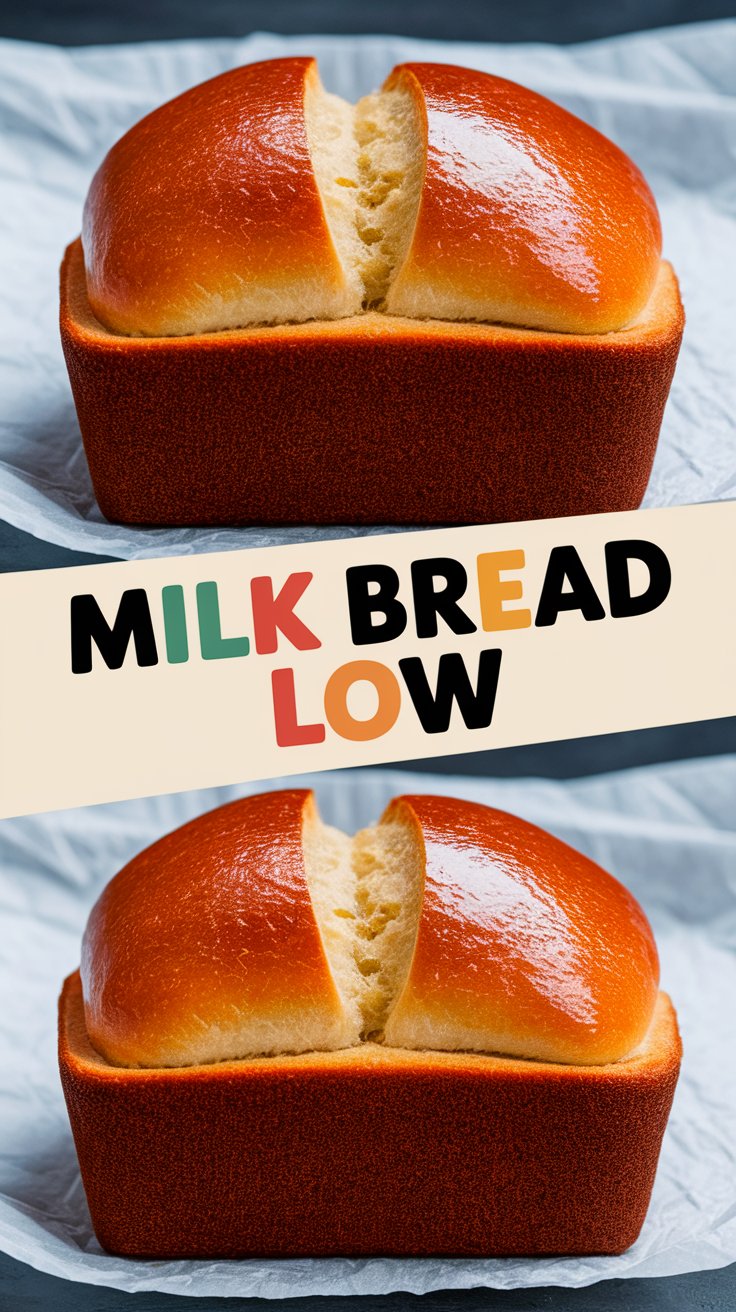
If you’ve ever bitten into a slice of homemade milk bread, you know the joy of that soft, pillowy texture that practically melts in your mouth. Milk bread is more than just bread — it’s comfort, warmth, and a touch of nostalgia. Its delicate sweetness and tender crumb make it a perfect companion to butter, jam, or even as the base for sandwiches. Today, we’re diving into a complete guide on making the ultimate homemade milk bread loaf, covering everything from ingredients and techniques to tips, variations, and FAQs. By the end of this article, you’ll be armed with all the knowledge you need to bake the perfect loaf every single time.
Introduction: Why Milk Bread is a Baker’s Delight
Milk bread, often inspired by classic Asian-style soft bread, has gained popularity worldwide for its incredibly soft texture and subtle sweetness. Unlike traditional bread, which can be dense and chewy, milk bread is light, fluffy, and slightly sweet. The secret lies in the combination of milk, butter, and proper kneading, which creates a tender, elastic crumb. Whether you’re a beginner or a seasoned baker, learning to make milk bread is rewarding — not just for the end result but for the process itself.
This bread is versatile: it’s perfect for breakfast, tea time, sandwiches, or even as a gift for loved ones. The soft golden crust and rich aroma make it irresistible. Plus, the recipe we’ll go through today is surprisingly easy, even if you’ve never baked bread before.
The Science Behind Milk Bread
Understanding why milk bread is so soft starts with its ingredients and technique.
- Milk: Milk adds richness, tenderness, and a slightly sweet flavor. It also helps the crust brown beautifully.
- Butter: Soft butter incorporated into the dough coats the gluten strands, resulting in a softer, more delicate crumb.
- Egg: Eggs provide structure, color, and additional richness.
- Yeast: The magic ingredient. Yeast fermentation creates air pockets, giving milk bread its characteristic fluffiness.
- Sugar: Sugar not only sweetens the dough but also feeds the yeast, ensuring proper fermentation.
The key to perfect milk bread lies in kneading and proofing. Proper kneading develops gluten, giving the dough elasticity, while careful proofing allows the dough to rise slowly and evenly, creating that soft, cloud-like texture.
Ingredients You’ll Need
Here’s everything you need to make a classic milk bread loaf:
For the Dough:
- 3 cups (360g) all-purpose flour
- 2 ½ teaspoons instant yeast
- 2 tablespoons granulated sugar
- 1 teaspoon salt
- 1 large egg
- ¾ cup (180ml) whole milk, warmed to 110°F (45°C)
- 2 tablespoons unsalted butter, softened
For the Egg Wash:
- 1 large egg
- 1 tablespoon milk
Equipment Checklist
Having the right equipment can make your baking experience smoother:
- Large mixing bowl or stand mixer with dough hook
- Measuring cups and spoons (digital scale recommended)
- Whisk
- Dough scraper
- 9×5-inch loaf pan
- Clean kitchen towel or plastic wrap
- Oven
Step-by-Step Instructions
Follow these steps carefully to achieve a soft, fluffy loaf.
1. Prepare the Dough
In a large mixing bowl or the bowl of a stand mixer, combine the flour, yeast, sugar, and salt. Mix well.
Add the egg and warm milk, and stir until a shaggy dough forms. If using a stand mixer, mix on low speed until the ingredients come together.
2. Knead the Dough
Knead by hand on a lightly floured surface for 8-10 minutes, or use a stand mixer on medium speed. The dough should become smooth and elastic.
Gradually add the softened butter in small pieces, kneading until fully incorporated. Proper kneading develops gluten, which is essential for a soft and airy bread.
3. First Rise
Shape the dough into a ball and place it in a lightly greased bowl. Cover with a kitchen towel or plastic wrap and let it rise in a warm, draft-free environment for 1–1½ hours, or until it doubles in size.
Pro Tip: Place the dough in a turned-off oven with the light on or near a bowl of warm water to create the perfect rising environment.
4. Shape the Loaf
Punch down the risen dough to release excess air. Turn it out onto a lightly floured surface, roll it into a rectangle, and then tightly roll it into a log to fit your loaf pan.
Place the dough into a greased 9×5-inch loaf pan. Cover and let rise again for 45–60 minutes, or until the dough slightly exceeds the edge of the pan.
5. Preheat and Egg Wash
Preheat your oven to 350°F (175°C). Whisk together the egg and milk for the egg wash. Brush it gently over the top of the loaf to achieve a golden, shiny crust.
6. Bake
Bake for 25–30 minutes, or until the loaf is golden brown and sounds hollow when tapped.
Remove the bread from the oven and allow it to cool in the pan for 10 minutes. Then transfer it to a wire rack to cool completely before slicing.
Expert Tips for Perfect Milk Bread
- Dough Consistency: The dough should be soft, elastic, and slightly sticky. Add flour or milk sparingly to adjust.
- Milk Temperature: Lukewarm milk (110°F/45°C) activates the yeast without killing it.
- Butter: Use soft, not melted butter. Melted butter can interfere with gluten formation.
- Proofing: Avoid overproofing. Dough should double, not triple, in size.
- Baking: If the crust browns too quickly, tent with foil during the last 10 minutes.
Common Variations & Substitutions
Milk bread is flexible. Here are some ways to customize it:
- Dairy-Free: Use almond, oat, or soy milk instead of cow’s milk.
- Sweetness: Add 1–2 tablespoons of honey for a natural touch.
- Flour Variations: Substitute half of the all-purpose flour with bread flour for a chewier texture.
- Toppings: Sprinkle sesame seeds, oats, or coarse sugar on top before baking.
Storage and Reheating
Proper storage ensures your milk bread stays fresh and soft:
- Room Temperature: Store in an airtight container or bag for up to 3 days.
- Freezer: Wrap tightly in plastic wrap and place in a freezer-safe bag for up to 3 months. Thaw at room temperature before serving.
- Reheating: To refresh, wrap the bread in foil and warm at 300°F (150°C) for 10 minutes.
FAQs About Milk Bread
Q: Can I use active dry yeast instead of instant yeast?
A: Yes, but proof it first in warm milk with 1 teaspoon sugar for 5–10 minutes until foamy.
Q: Can I make this bread without a stand mixer?
A: Absolutely! Knead by hand for 10–12 minutes until smooth and elastic.
Q: Why didn’t my bread rise properly?
A: Possible reasons include cold milk, old yeast, or overproofing. Ensure yeast is fresh and dough is in a warm environment.
Q: Can I make milk bread ahead of time?
A: Yes! Freeze it in slices and toast as needed for convenience.
Why This Milk Bread Stands Out
What makes this milk bread recipe unique and superior:
- Perfect balance of sweetness and richness
- Soft, tender crumb with a slightly chewy texture
- Easy to make at home with simple ingredients
- Flexible for various diets and substitutions
- Beautiful golden crust with egg wash shine
Serving Suggestions
Milk bread is incredibly versatile:
- Breakfast: Toast with butter and jam
- Lunch: Make sandwiches with your favorite fillings
- Snack: Pair with cheese or chocolate spread
- Special Occasions: Gift a homemade loaf to friends and family
Step Up Your Baking Game
Once you’ve mastered this milk bread recipe, experiment with:
- Matcha milk bread: Add 1 tablespoon matcha powder for a subtle green tea flavor
- Chocolate swirl bread: Layer cocoa and sugar while rolling the dough
- Garlic herb bread: Add minced garlic and dried herbs to the dough for a savory twist









Leave a Reply