
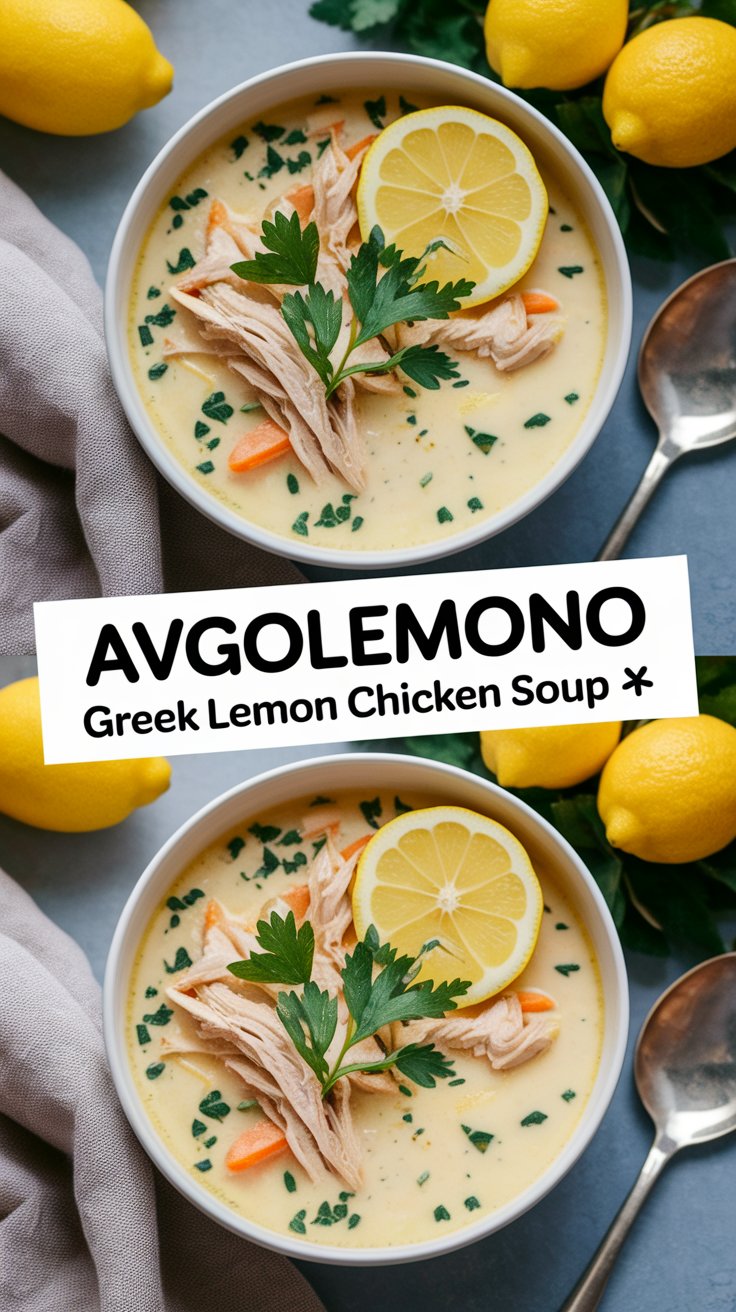
Few soups in the world offer the same level of comfort, brightness, and culinary heritage as Avgolemono, the iconic Greek Lemon Chicken Soup. This warm, velvety, citrus-infused dish has traveled through generations, carrying with it stories of family gatherings, festive celebrations, winter comfort, and healing home remedies passed down for centuries.
Made with simple ingredients—chicken broth, eggs, lemon, and rice or orzo—Avgolemono transforms humble pantry staples into a silky, luxurious soup with a soothing texture and refreshing flavor. It is the kind of meal that warms you when you’re cold, energizes you when you’re tired, and satisfies you when you crave something wholesome yet vibrant.
In this extensive guide, you will learn everything about Avgolemono, including its origins, cooking method, variations, cultural significance, and expert techniques to achieve the perfect creamy texture without cream. Whether you are new to Greek cuisine or already a devoted fan, this article will elevate your understanding of this timeless dish.
What Is Avgolemono? Understanding the Heritage of This Greek Soup
Avgolemono (pronounced ahv-go-LEH-mo-no) is a traditional Greek soup made by combining:
- Chicken broth
- Rice or orzo
- Lemon juice
- Eggs
The name comes from two Greek words:
- “avgo” meaning egg
- “lemono” meaning lemon
Together, these ingredients create a silky, tangy, comforting broth unlike any other soup in the world.
A Culinary Technique, Not Just a Dish
Avgolemono is also the name of a cooking method used to thicken sauces, not just soups. Many Greek dishes—like dolmades (stuffed grape leaves) and fricassée stews—use an avgolemono sauce for richness and acidity.
Why Avgolemono Is So Special
- Naturally creamy without dairy
- Bright and refreshing thanks to lemon
- High-protein and nourishing due to eggs and chicken
- Balanced with carbohydrates from rice or orzo
- Comforting yet light, making it suitable for any season
It is often considered the “Greek version of chicken noodle soup,” but its flavor profile and velvety texture make it truly unique.
Ingredients for the Perfect Avgolemono
Avgolemono requires simple, everyday ingredients, but each element plays a key role in achieving the ideal balance.
1. Chicken Broth
The base of the soup. Homemade broth gives a richer flavor, but store-bought works if seasoned well.
2. Chicken Meat
Traditionally shredded cooked chicken, often from leftover rotisserie or boiled chicken.
3. Rice or Orzo
Both are popular:
- Rice creates a thicker, more rustic soup.
- Orzo gives a pasta-like texture and a smoother broth.
4. Eggs
The essential ingredient that creates the signature creaminess. Eggs must be tempered properly to avoid curdling.
5. Lemon Juice
Fresh lemon is a must—its brightness carries the entire dish.
6. Seasonings
Salt, pepper, and optional herbs like dill or parsley.
Step-by-Step Guide to Making Avgolemono Soup
Below is a structured, user-friendly method that ensures beginners and experts achieve smooth, flavorful results.
Step 1: Cook the Rice or Orzo
Bring chicken broth to a gentle boil. Add your rice or orzo and cook until tender. This usually takes:
- Rice: 15–18 minutes
- Orzo: 8–10 minutes
Reduce the heat once cooked.
Step 2: Add Shredded Chicken
Stir in cooked chicken and warm it for several minutes.
Step 3: Prepare the Avgolemono Mixture
Whisk eggs until frothy. Add fresh lemon juice and whisk again.
Step 4: Temper the Eggs
This is the most important step.
To avoid curdling:
- Slowly add hot broth to the egg mixture one ladle at a time
- Whisk constantly
- Repeat for several ladles
This gradually warms the eggs without cooking them too quickly.
Step 5: Combine and Thicken
Pour the tempered egg mixture back into the pot.
Cook on low heat only—never boil.
Within 1–2 minutes, the soup will thicken to a velvety consistency.
Step 6: Add Seasoning & Serve
Add salt, pepper, and fresh herbs.
Serve warm with crusty bread, pita, or a simple salad.
Why Tempering Matters: The Science Behind Avgolemono
Tempering is the key reason Avgolemono achieves its creamy, custard-like texture without cream.
When eggs are heated gradually:
- Proteins strengthen slowly
- The mixture thickens instead of scrambling
- The soup becomes smooth and silky
If heated too quickly, the eggs can curdle. This is why low heat and constant whisking are crucial.
Common Mistakes to Avoid
Even experienced cooks can stumble with Avgolemono. Here are mistakes to watch out for:
❌ Boiling the soup after adding the egg mixture
This causes curdling.
❌ Adding lemon juice to boiling broth
Acid + heat = risk of separation.
❌ Using bottled lemon juice
Fresh lemons dramatically improve flavor.
❌ Skipping tempering
A guaranteed way to ruin the texture.
❌ Overcooking the rice
It makes the soup overly thick and mushy.
Flavor Variations and Creative Twists
Avgolemono is versatile. Here are delicious adaptations you can try:
1. Herb-Infused Avgolemono
Add fresh mint, dill, or oregano for Mediterranean aroma.
2. Creamier Avgolemono
Blend a small portion of the rice before tempering.
3. Avgolemono with Vegetables
Add carrots, celery, spinach, or leeks for a heartier version.
4. Lemon-Garlic Avgolemono
Add minced garlic for extra depth.
5. Protein Variations
Try turkey, chickpeas, tofu, or even fish.
6. Keto-Friendly Avgolemono
Replace rice with cauliflower rice to cut carbs.
Nutritional Benefits: Why Avgolemono Is So Nourishing
Avgolemono is not only delicious—it is balanced, nutrient-rich, and energizing.
1. High-Protein
Chicken and eggs provide essential amino acids.
2. Immune-Boosting
Lemon juice offers vitamin C and antioxidants.
3. Comforting Yet Light
It is creamy without any heavy cream.
4. Easily Digestible
Gentle on sensitive stomachs.
5. Balanced Macros
Contains protein, carbs, and healthy fats.
Frequently Asked Questions (FAQ)
1. Can I use rotisserie chicken?
Absolutely. It saves time and works perfectly.
2. Can I freeze Avgolemono?
Freezing is possible but not ideal. The egg mixture may separate. If you must freeze, freeze before adding the eggs.
3. Can I reheat it?
Yes—gently and on low heat. Never boil.
4. Can I make Avgolemono without eggs?
You can mimic the texture with cornstarch, but the authentic version uses eggs.
5. Is Avgolemono gluten-free?
Yes, if made with rice and gluten-free broth.
6. Why did my soup curdle?
It likely boiled after adding the egg mixture.
How to Store & Reheat Avgolemono
Refrigerator:
3 days in an airtight container.
Reheating Instructions:
Warm on very low heat while stirring often. Do not boil.
If the soup thickens too much in the fridge, add a little broth or water to adjust the consistency.
Serving Ideas: What Pairs with Avgolemono?
- Warm pita bread
- Greek salad
- Roasted vegetables
- Toasted garlic bread
- Lemon-herb chicken skewers (if serving as a side)
Avgolemono in Greek Culture: A Dish of Warmth and Healing
In Greece, Avgolemono is more than a recipe—it is a symbol of:
- Family warmth
- Hospitality
- Winter comfort
- Healing during cold and flu season
- Simple ingredients transformed into elegance
It is often served at holidays, Sunday family dinners, and special occasions.
Expert Tips for a Restaurant-Quality Avgolemono
⭐ Use fresh, high-quality lemons
They define the entire flavor profile.
⭐ Whisk the eggs thoroughly
Light, airy eggs create a silky texture.
⭐ Add lemon gradually
Taste as you go to avoid overpowering acidity.
⭐ Use low heat only
Your soup should never bubble after adding eggs.
⭐ Control the thickness
More rice = thicker soup
More broth = lighter soup










Leave a Reply